Daido Moriyama
Moriyama is a popular Japanese street photographer best known for his black-and-white images depicting the contrast of traditional values mixed with modern society in post-war Japan. Notable for his rejection of technical approach to his work, rather opting for grainy image or high-contrast compositions. At times leaving his exposure bad on purpose to capture the motion of reality. He is known for his street photography style, at times moving with a point and shoot method. He has remarked on this “it is the ideal setting, the place where people’s desires are interwoven. It has remained and will always remain my natural element.” His background is graphic works and can be seen in the comparisons between his own work and the influences taken from traditional Japanese graphic art. He moved to Tokyo in 1961, in where he started producing and publishing his own work. The photos are not seemingly impressive at first at least from a western perspective. However, considering the Wabisabi aesthetic that runs through Japanese culture it is easier to appreciate his work. His images are based on the nature of people and their surroundings. Their interactions between both. From his beginnings in 1961, Moriyama has been awarded multiple times – in 1967 when he was given the New Artist Award from the Japan Photo-Critics Association. In 2016 being awarded for his exhibition “in colour” held at the Galleria Franca Sozzani in Milan. In 2019 the Hasselblad Foundation International away in Photography. He continues to live and work in Tokyo, Japan. His work being Exhibited in The Museum of Modern Art in New York, the Fotomuseum Wintherthur in Switzerland, the Centre Georges Pompidou in Paris, the Tokyo Metropolitan Museum of Photography, and among others across the world.
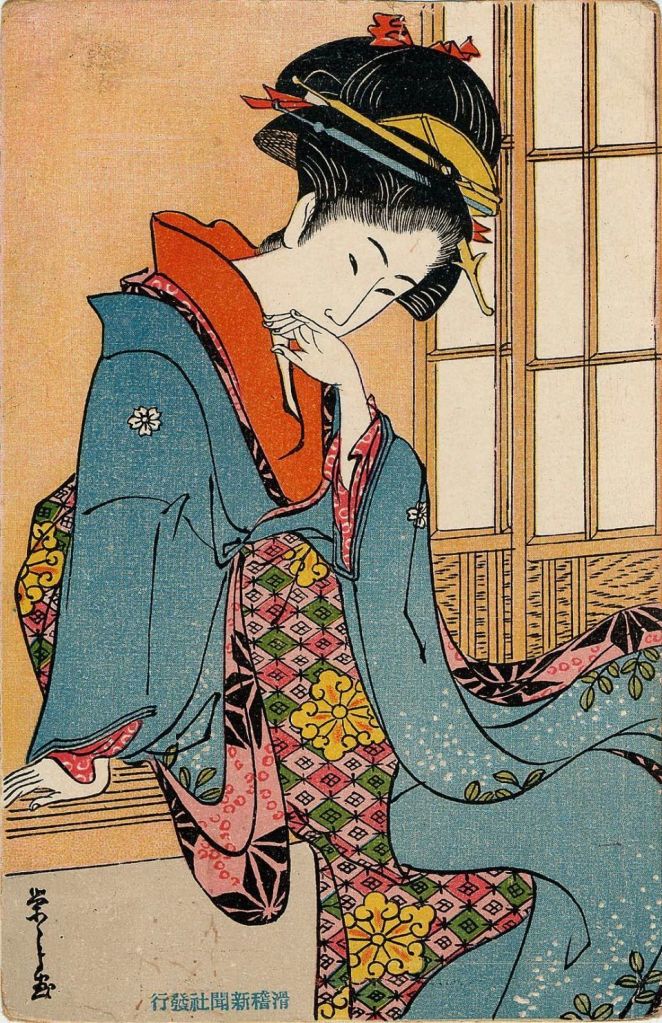
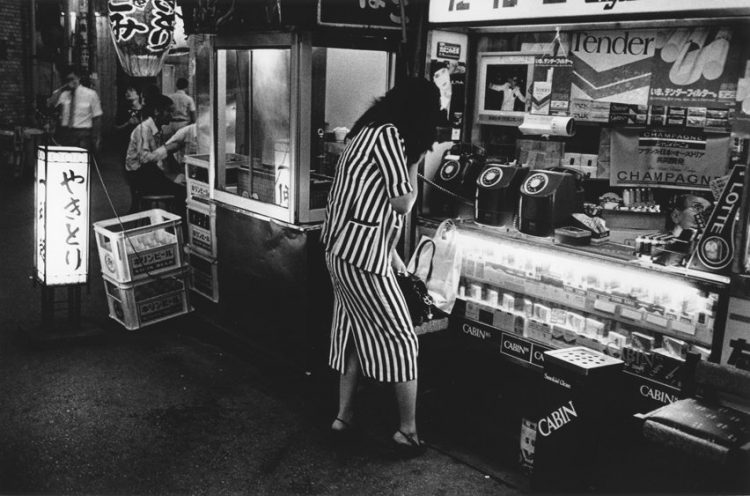
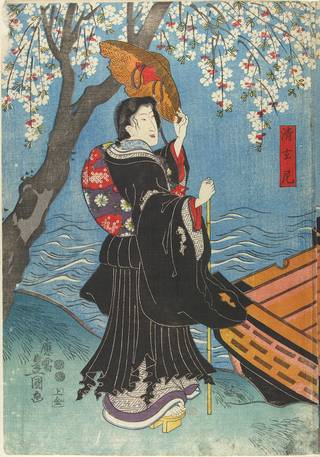
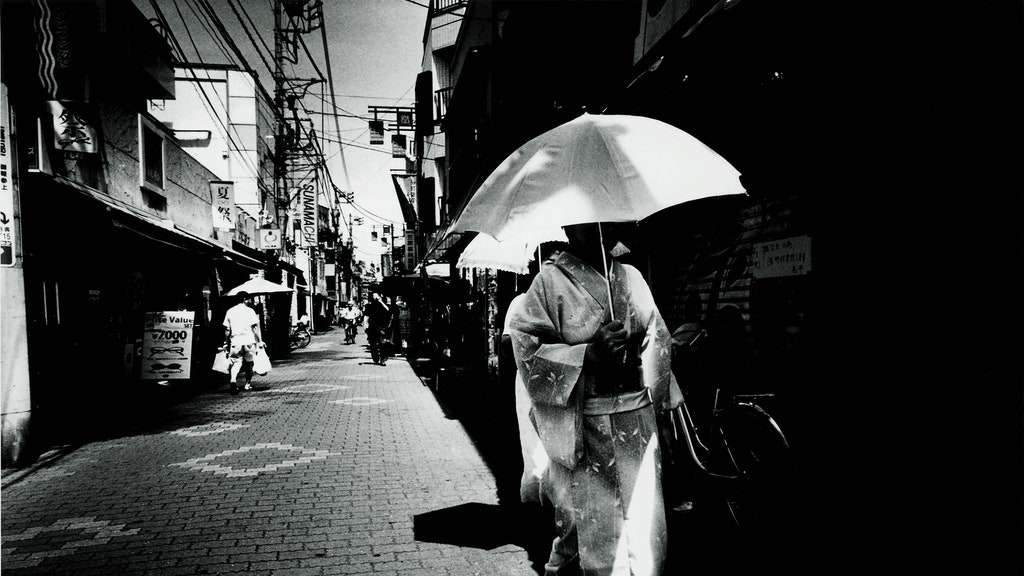
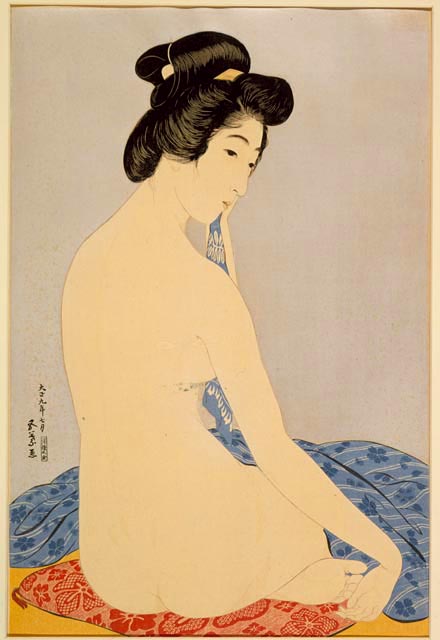
What has drawn me to Moriyama is not necessarily his photography, however impressive I think the compositions are. I am drawn to his philosophy and thought process behind them. Taking from classical Japanese graphic artists and updating the formula with a twist. Japanese graphic art being routed in many aspects that Daido translates in his pictures. Being comprised of scenery, motion, gathering’s, and everyday life. If we take his picture [3F] it is clear to see the similarities to [3G] that both portray women of their day in their natural surroundings in contemplation. Because of the difference in style and media they are totally different. However, they share the same ambience and tone. Same could be said for [3I] and [3J] although these showing daily activities. [3K] is probably the best example of these daily activities and motions of the day. Moriyama almost takes an automatic approach with his point and shoot method and proven here. He captures the humidity of the scene and the humility of the people.
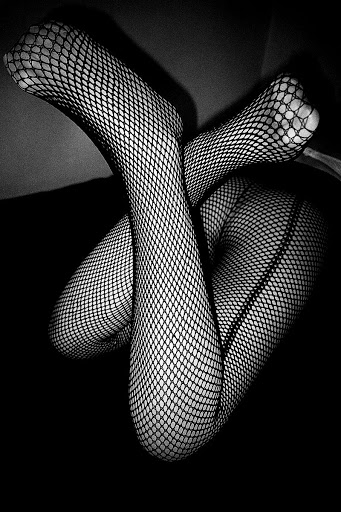
Although these themes are explored in classical western art, I believe the main difference between eastern and western mindset lies in its subtleties and attitude to that said art. As Daido is focusing on Japanese graphic art that revolves around functioning, or intimacy, being usually sketched – these are two major factors in Moriyama’s work. Classical western art at times revolved around posturing and grandeur. I am not highlighting one over the other, as I can appreciate both sentiments. But when Daido approaches his work, it is in the same manner of the values laid out before him. In Moriyama we see how personal he wants to go with his work. He created a series of tasteful yet erotic photographs, that highlights sexual aesthetics that renaissance art had in the west had indirectly birthed through inspiring Romanticism. There are no genitalia on show, rather showing legs [3H] and curvature that are inviting to the eye. There is a suggestion of the sexual but in a balanced approach, but in Moriyama’s case in a raw and real way. If we compare [3L] and [3M], the comparisons of Moriyama’s work and traditional Japanese art are clearly evident. Although with Daido’s use of a camera and shooting style, he captures a totally authentic scene. [3M] is a more positive outcome but of the same situation – presumably, a subconscious projection from the artist himself.


 18.27
18.27 